


Psoriasis is a very unpleasant skin disease that causes a lot of inconvenience to those unfortunate enough to suffer from it.In addition to the skin looking very unsightly, patients often experience many other unpleasant sensations.Yes, the disease is not fatal, but the patient often has to radically change his habits and lifestyle.
Unfortunately, even today, it is simply not possible to completely cure psoriasis.However, there are many techniques and treatments that can greatly help and significantly reduce a patient's pain.

The best results are achieved through the use of complex therapies, in which they try to influence the disease from different angles.To do this, a combination of different treatments is needed.In today's material we will consider in more detail how to correctly carry out the complex treatment of psoriasis, what it may include, and what points should be taken into account.
Factors to consider when choosing treatment
First of all, we want to remind you, never self-medicate!Even if you're completely confident in your strengths and abilities, it's still best to consult a professional dermatologist.This will be better.
Before prescribing treatment, doctors will consider the following factors:
- Age and gender of the patient - the older you are, the more difficult the disease is to treat;
- Genetic factors – The risk increases when a parent or close relative also has psoriasis;
- Stage of the disease - the later the specialist is contacted, the more difficult the treatment will be;
- Severity of the disease - When psoriasis is mild, it's easier to fight;
- The form of the disease course and the parts of the body affected - the more severe the disease, the more difficult it is to choose an effective treatment;
- Possible allergic reaction - not all medicines may be taken in this case;
- Place and type of work – some businesses have very unfavorable working conditions, which have a very negative impact on general health and the development of psoriasis;
- Area of residence - If you live in an area with high air pollution, this can negatively affect the perception of various diseases, and psoriasis can develop more severely;
- Presence of bad habits - regular smoking and drinking can affect the internal organs, thereby increasing the risk of psoriasis;
- Co-morbidities - Psoriasis may be a complication if you have certain internal organ diseases.
It is unlikely that you will correctly determine all the factors on your own.Serious complications can occur if you begin self-treatment.Therefore, a professional dermatologist will definitely prescribe you the necessary tests to identify all other factors before prescribing a treatment.
A set of measures to treat psoriasis
In order to treat psoriasis at home as effectively as possible, a variety of measures are often used.Within their framework, different drugs affecting different body systems are used simultaneously.Therefore, treatment options may include:
- external treatment— various creams, ointments that affect the skin and eliminate external symptoms of the disease;
- systemic drugs- Tablets, mixtures that affect internal organs and fight diseases from within;
- physical therapy procedures- Reduce inflammatory processes - laser and cryotherapy, acupressure, ultraviolet radiation;
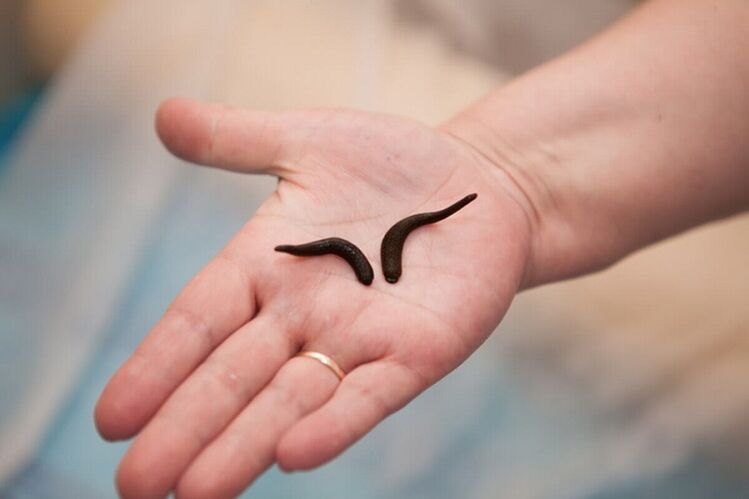
- spa treatments- Therapeutic procedures such as leeches, mud baths and clean air, as resorts are usually located in ecologically clean areas;
- special diet- Eliminate foods that may harm the gastrointestinal tract, such as fried, spicy, salty and pickled foods.
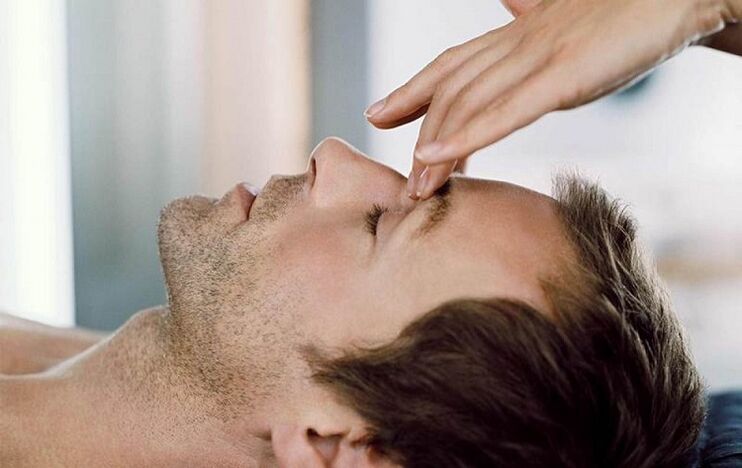
In fact, there are many ways to treat it.Let's consider each of the set of treatments in more detail.
External treatment
Essentially, how does psoriasis begin to develop?First, the function of the epidermis (the stratum corneum of the skin) is disrupted.As a result, the skin no longer gets the moisture it needs and becomes too dry.Gradually, dryness and flaking increase, and since the dead skin particles do not have time to be removed, so-called psoriasis plaques appear.All of this is accompanied by itching and inflammation.During exacerbations, they do not subside either day or night.
To get rid of all these symptoms, medications are needed to treat psoriasis.They are also strictly regulated individually.What is the purpose of using topical preparations?
- Eliminates pain, relieves swelling, reduces peeling, and improves appearance by reducing rashes and reducing the number of psoriasis plaques.
- Minimize the impact of various external factors.
- Affect lesions as quickly as possible and relieve symptoms quickly.
Topical preparations for psoriasis include ointments, creams, lotions, gels and other preparations.All of these fall into two broad categories: hormonal and non-hormonal.Let's look at each group individually.
- non-hormonal drugs.The name speaks for itself—these drugs contain no hormones.They act on the epidermis, quickly remove dead layers, disinfect damaged areas, have antiviral and antibacterial effects, and can also qualitatively moisturize the skin and increase elasticity.Such preparations contain natural ingredients such as beeswax and natural oils, as well as substances such as salicylic acid, anthranol, sulfur, and urea.They have many excellent properties and work very quickly and effectively on areas of skin affected by psoriasis.
- Hormone drugs.They contain certain amounts of synthetic hormones of the corticosteroid type.Many experts prefer them because, due to the presence of hormones in the composition, they act almost immediately and actually provide the desired effect within a few minutes.However, unlike non-hormonal medications, these medications must be used with caution.First, if treatment is delayed even slightly, it can cause hormonal imbalances that can lead to serious complications.Secondly, if you suddenly stop taking the medication, you may experience what is known as a "withdrawal effect," in which symptoms not only return but also intensify.
When and how to choose the right group of drugs?What drug is best to use?
- In the progressive stage, ointments containing salicylic acid are most commonly used, as well as anti-inflammatory hormone ointments.Of course, first attempts will be made to use drugs with a weaker concentration of active substances to achieve the desired effect.If that doesn't work, use a stronger one.These medications contain higher doses of fluoride.In most cases, patients experience positive dynamics within two weeks of starting regular use.
- For the treatment of the elderly and children, chlorine- and fluoride-free drugs are used, which significantly reduces the number of possible allergic reactions.These drugs are relatively new, having only appeared on the pharmaceutical market a few years ago, but are gradually becoming more popular.
- Thranol-based ointments and creams provide fast and long-lasting results when applied.A minimum dose needs to be prescribed when starting treatment and gradually increased.The main purpose of these medications is to reduce inflammation.However, other adverse reactions such as swelling, itching, and redness may occur, which to some extent limits the scope of use of this group of drugs in the context of symptoms similar to those of psoriasis.
- One of the new drugs is one that directly affects the cause of psoriasis.Its main active ingredient is calcipotriol, which inhibits the development of pathogenic processes.After just two months, the overall condition of the skin improved significantly, with a reduction in the number of inflamed and damaged areas and peeling skin.It's important to note that in most cases, there are no side effects typical of other psoriasis medications.In some cases, one course of treatment provides enough relief to last a year.The strongest results are achieved when treatment is performed using an integrated approach and are effective when combined with other methods, most commonly physical therapy procedures.
We would like to draw your attention that long-term use of the drug is not recommended due to the possibility of addiction.As a result, treatment effectiveness is significantly reduced.
systemic medication
As mentioned earlier, one of the possible causes of psoriasis is disease of the internal organs.Therefore, to get rid of psoriasis, you need to take medications that help treat the disease of the internal organs.These medications can be tablets, injections, IVs, and other medications and must be selected individually.What treatments are available for psoriasis?
- Anti-inflammatories will relieve inflammation and reduce the effects of various viruses and microorganisms.A comprehensive treatment regimen for psoriasis is often used.
- Anti-allergy medications.Since allergies often worsen psoriasis symptoms, these medications can make a big difference.
- Antipsoriasis drugs.They act on the skin repair process, normalize the life cycle of its cells and eliminate the side effects of disease.
- Antifungal drugs.Since fungal infection significantly complicates the course of psoriasis, it is important to fight it effectively.
- Drugs used to combat the pathological formation of new cells that have no specific purpose.Over time, and in the absence of treatment options, these cells accumulate in large numbers in the body.
Depending on the complexity of the condition and the extent of damage to other organs, other more effective medications may be used.However, despite their effectiveness, you should not abuse them as the side effects can be serious.
physical therapy procedures
While physical therapy procedures alone are unlikely to cure psoriasis, with appropriate selection they can both enhance the effects of medications and speed up the recovery process during the final stages of complex treatment.What are the procedures for complex treatment of psoriasis?
- UV irradiation, or phototherapy.A special agent is used to enhance the body's perception of ultraviolet rays, and then the surface of the skin affected by psoriasis is illuminated with a certain length of ultraviolet rays.
- Laser treatment.It is important to note that laser waves only act on diseased skin and do not affect healthy tissue.
- Cryotherapy.Liquid air, nitrogen or helium at temperatures up to -296 degrees is briefly applied to damaged areas on the body's surface.
- Fish therapy.Affected areas are treated with a special fish.
- Leech therapy is the use of leeches for treatment.
- Make a therapeutic bath using soothing and anti-inflammatory herbs like chamomile or celandine, as well as starches and flax seeds.
- acupuncture.It is true that you should be careful when choosing a specialist, as an incorrectly performed procedure can have unpredictable consequences and may take a long time to treat.
spa treatments
Visiting a nursing home or resort can significantly improve a patient's health.Indeed, they are sent there only in the final remission stages of the disease, as a final resort in complex treatments.In addition to the various procedures prescribed for patients in such institutions, the opportunity for patients to escape from daily worries and a more conducive environmental environment further contributes to recovery.
In addition to regular drug prescriptions, a nursing home or resort must provide dietary nutrition, physical therapy, and medicinal baths and treatments.Depending on the location, nursing homes may offer hydrogen sulfide baths, silicon baths, radon baths, iodine-bromine baths, and other baths.A good nursing home will keep you energized for many months.
in conclusion
Combination therapy is most commonly used to treat psoriasis.Only a comprehensive approach can achieve good results, as any single type of treatment is ineffective, especially in the later stages of treatment.